
Know Your Leather Types
Understanding leather begins with knowing its type.
Each leather surface behaves differently, how it feels, how it ages, and how it should be cared for all depend on how the leather is treated at its source.
At Pelle di Ceylon, material choice is intentional. Knowing your leather allows you to appreciate its character and care for it correctly.
Why Leather Type Matters
Leather is not a single, uniform material. Variations in grain, finish, and treatment directly affect durability, appearance, and aging.
Knowing the leather type helps you:
- Apply the right care methods
- Understand natural markings and changes
- Avoid unnecessary damage
- Appreciate how leather develops over time
Leather rewards awareness.
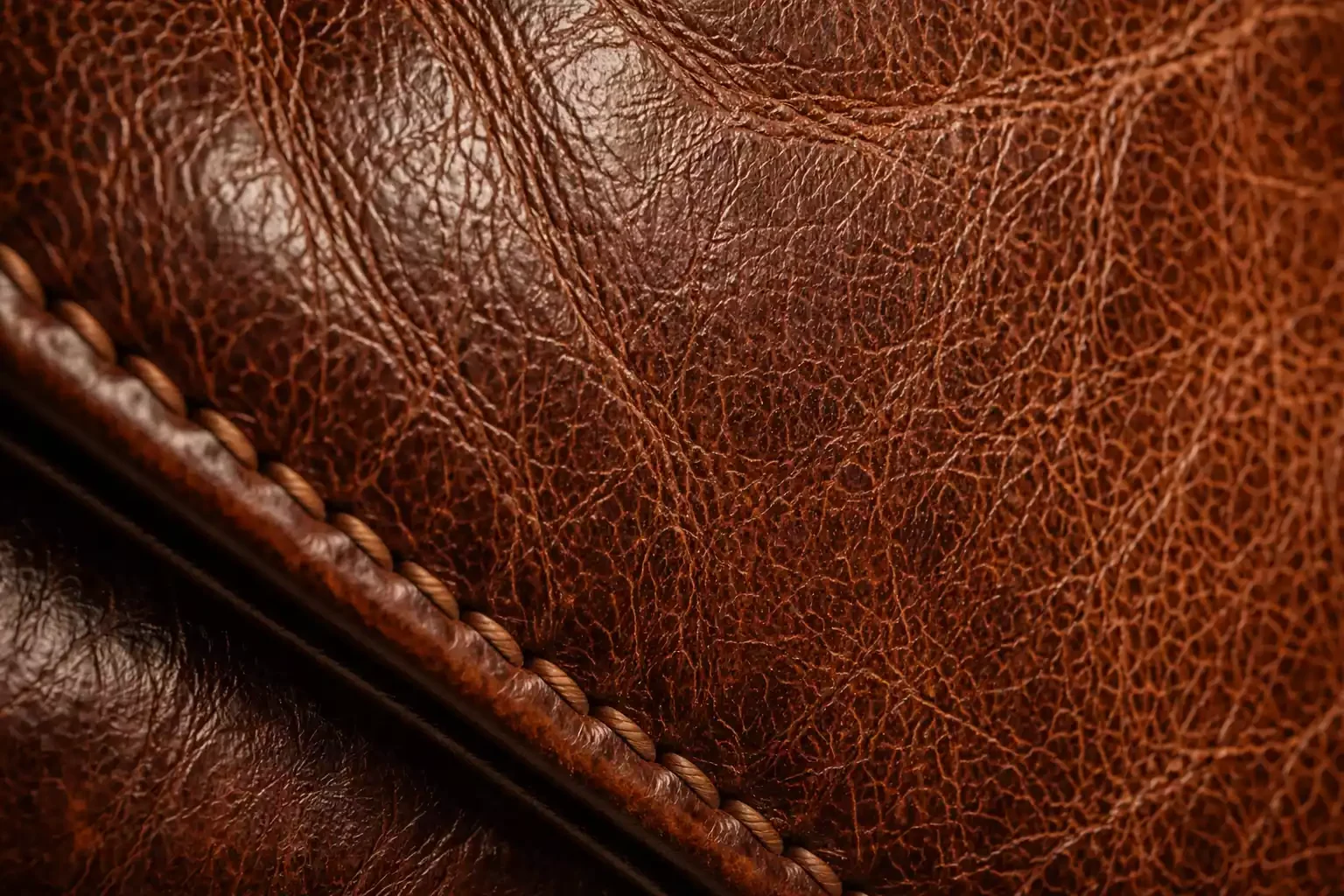
Full-Grain Leather
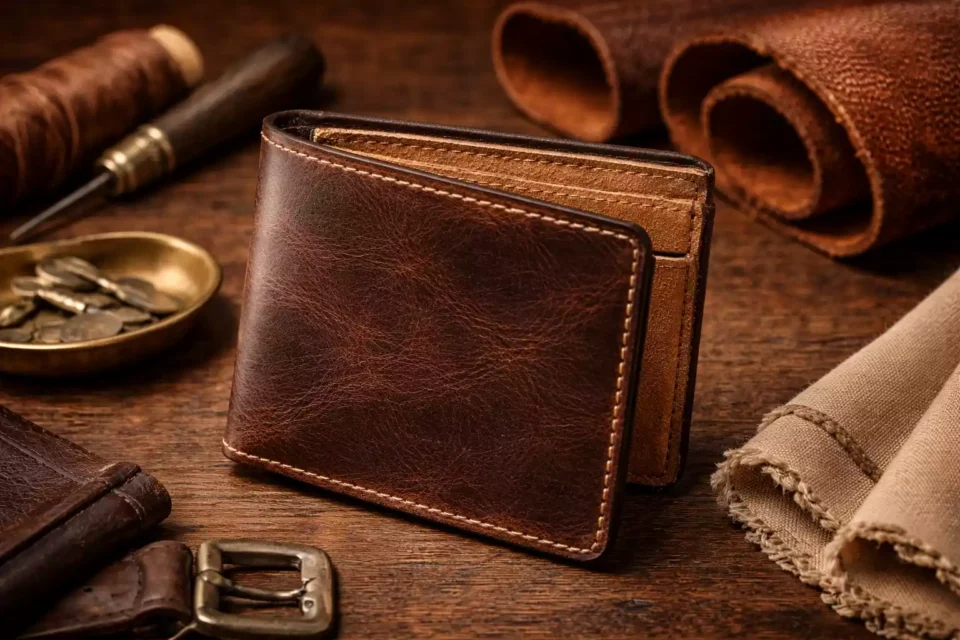
Full-grain leather is the most natural form of leather. It retains the original surface of the hide, including natural grain patterns and markings.
Characteristics
- Rich, organic texture
- Visible natural grain
- Develops a deep patina over time
How It Ages
Full-grain leather evolves visibly. With use, it softens and darkens slightly, reflecting touch and movement. Marks and creases become part of its story.
Care Considerations
- Requires gentle, consistent care
- Sensitive to moisture and dryness
- Best maintained with minimal intervention
This leather is valued for authenticity rather than uniformity.
Top-Grain Leather
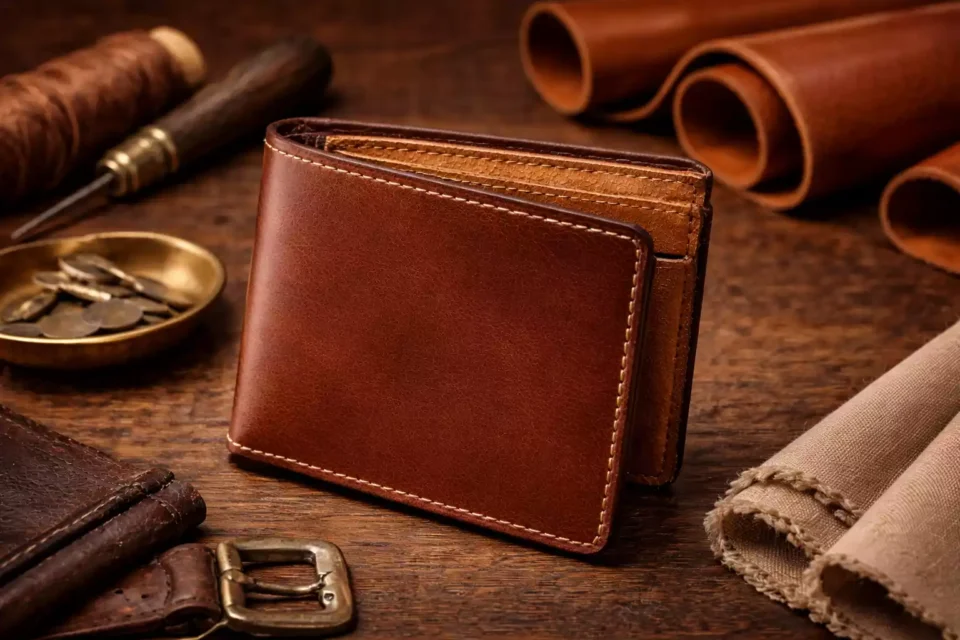
Top-grain leather is refined by lightly sanding the surface to achieve a smoother, more even appearance.
Characteristics
- Smooth and refined finish
- Fewer visible natural markings
- Balanced durability
How It Ages
Top-grain leather ages more evenly, maintaining its appearance while gradually softening with use.
Care Considerations
- Easier to maintain than full-grain
- More resistant to surface marks
- Benefits from regular, light cleaning
This leather offers a balance between resilience and refinement.
Natural vs Treated Finishes
Beyond grain type, leather can also vary by finish.
Natural Finish
- Minimal surface treatment
- More breathable
- Absorbs moisture more easily
Natural finishes highlight authenticity but require greater care and attention.
Treated Finish
- Light protective coating
- Increased resistance to stains and moisture
- Easier daily maintenance
Both finishes are durable when cared for appropriately. The difference lies in how the leather responds to its environment.
Choosing Care Based on Leather Type
Not all leather should be treated the same way.
Using incorrect products or excessive cleaning can cause more harm than benefit.
General guidance:
- Avoid harsh chemicals on natural finishes
- Do not over-condition treated leather
- Always test care products on a hidden area
Understanding your leather type ensures longevity without altering its character.
Appreciating Leather Over Time
Leather is designed to change. Its evolution reflects use, climate, and care.
When treated with respect:
- Texture becomes softer
- Colour gains depth
- The material becomes uniquely personal
Knowing your leather allows you to see these changes not as wear, but as refinement.